If you’ve ever dreamed of building your own home in Costa Rica, surrounded by lush jungle, close to surf beaches, and with breathtaking mountain or ocean views, you’re in good company. Buyers from the U.S., Canada, and Europe are increasingly drawn to this peaceful, nature-rich region for second homes, investments, or full-time relocation. But one question always rises to the top: How much does it really cost to build a house in Costa Rica?
As a team that’s helped countless buyers through the process, we’re breaking it down with real numbers, practical advice, and expert insights from the southern Pacific region of Costa Rica, from Uvita to Ojochal, Dominical to Puerto Jiménez.
Is It Cheaper to Build or Buy a House in Costa Rica?
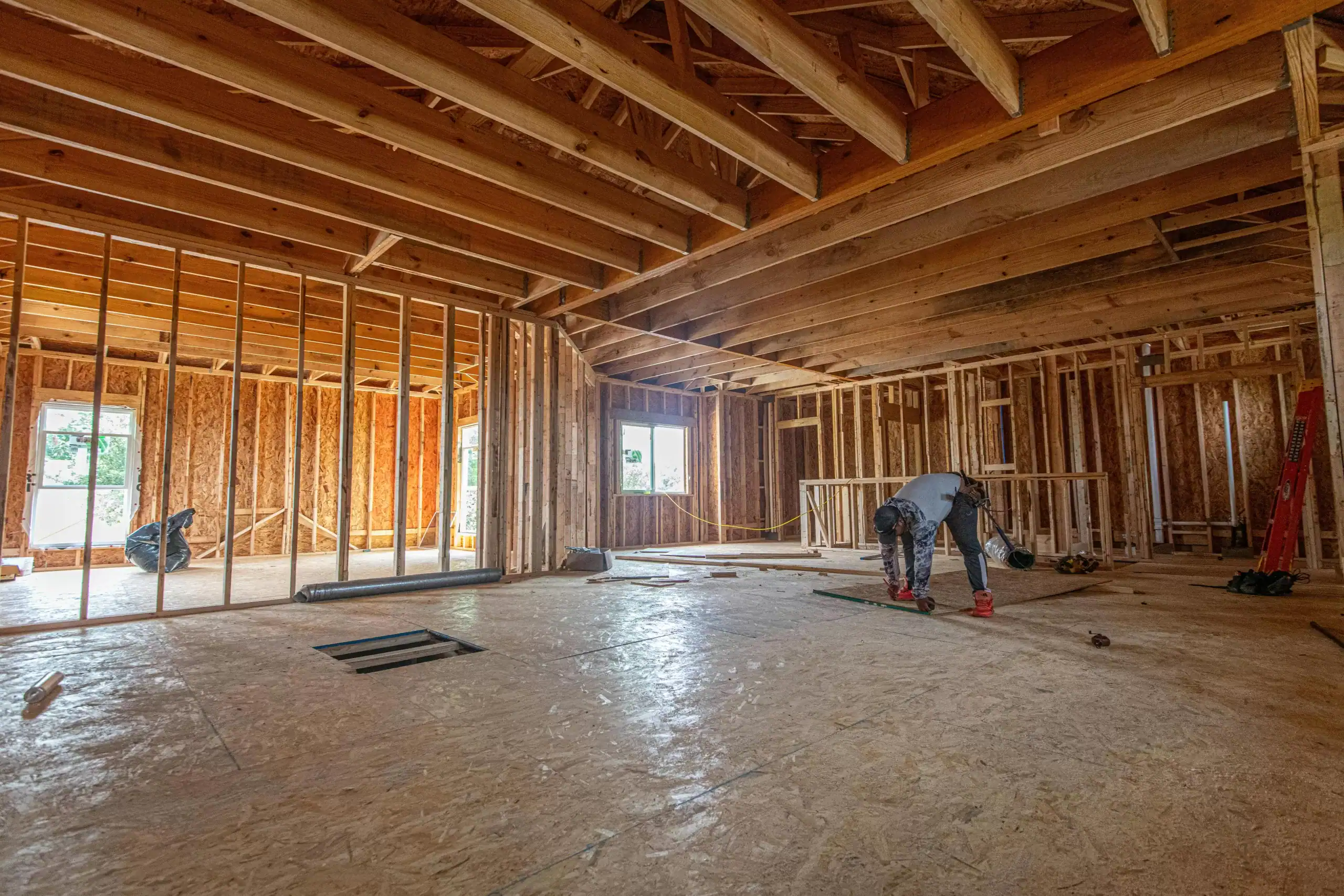
Building a house gives you complete control over the design, materials, and location. In general, construction costs vary depending on terrain, finish quality, and proximity to infrastructure:
- Basic Tico-style home: $80–$120 per sq. ft.
- Mid-range modern home: $150–$250 per sq. ft.
- High-end luxury villa: $250+ per sq. ft.
This means a 2,000 sq. ft. home could range from $160,000 to over $500,000—excluding land cost and legal fees.
On the other hand, buying a house is often faster, and if you find the right property, potentially more cost-effective. Resale homes in places like Ojochal or Uvita range from $250,000 to over $1 million, depending on location and features.
If you’re still deciding between building and buying, this blog can help you explore the pros and cons in more depth: Is it better to rent or buy a house in Costa Rica?
Can I Build My Own House in Costa Rica?
Yes, you can. Foreigners in Costa Rica have the same property rights as locals, so you can legally own land and build on it. But building your own home here means working with:
- A licensed architect (required by law)
- Structural engineers and builders
- Local attorneys to manage land titles, zoning, and municipal approvals
You’ll also need to understand how land use regulations, access to utilities, and the maritime zone laws may affect your property. For guidance on what areas are best suited for building and lifestyle, check out
Where is the best place to live in Costa Rica?
How to Get a Building Permit in Costa Rica
Getting a building permit is a multi-step process that requires coordination between legal, architectural, and municipal parties. Here’s a simplified overview:
- Confirm land ownership – The land title (plano catastrado) must be properly registered.
- Get zoning permission (uso de suelo) – This document proves your land can be used for residential purposes.
- Submit building plans – Prepared by a certified architect and submitted to the Colegio Federado de Ingenieros y de Arquitectos (CFIA).
- Environmental review – Larger or ecologically sensitive projects may require SETENA approval.
- Permit from local municipality – Once approved, you can begin building.
The permit process can take anywhere from 1 to 3 months depending on complexity and location. If you’re unfamiliar with Costa Rican bureaucracy, having an experienced team can save you time and frustration.
And don’t forget to factor in the closing costs and taxes associated with land acquisition. This helpful article covers that in detail: What are the taxes on buying a house in Costa Rica?
What Else Should You Know Before Building?
- Consider terrain and infrastructure. Sloped lots with ocean views are stunning, but construction can cost more.
- Rainy season matters. Most construction is done in the dry season (December–April) to avoid delays.
- Work with bilingual professionals. Misunderstandings can be costly—especially in permits, contracts, and budgeting.
- Know the limitations for foreigners in special areas, especially near the coast. This blog explains it well: Can foreigners own beachfront property in Costa Rica?
You’ll also want to avoid common missteps that catch newcomers by surprise. Here’s a helpful read:
Pitfalls of buying property in Costa Rica for foreigners
Should You Build Now or Wait?
Costa Rica remains an attractive market for foreign investment, with steady growth in eco-conscious development and lifestyle buyers. If you’re wondering whether it’s a smart time to start your project, read
Is it a good time to buy real estate in Costa Rica 2026?
And if you’re still early in your planning phase, you might enjoy this step-by-step overview:
How to move to Costa Rica
For those looking into financing options, it’s also worth reviewing
Can you get a mortgage in Costa Rica as a foreigner?
How Century 21 Ballena Properties Can Help
At Century 21 Ballena Properties, we specialize in helping buyers from North America and Europe purchase land, build custom homes, or find move-in-ready residences in the Costa Ballena region and beyond. With decades of experience in real estate, bilingual service, and a network of trusted local professionals, we’re here to guide you through every step—from land search to final inspection.
Whether you’re drawn to the surf of Dominical, the peaceful jungle of Ojochal, or the investment potential in Golfito or Puerto Jiménez, we’ll help you make confident, informed decisions.
Ready to build your home in Costa Rica?
Get in touch with our team today and let’s make your dream a reality.
Ready to Make the Move?
If you’re thinking about buying real estate in Costa Rica, there’s no better time, and no better place, than the Southern Zone. Get in touch with Century 21 Ballena Properties today, and let’s turn your pura vida dream into reality.
Contact us today to start your journey to owning property in paradise.
Recommended Reads
- Buying a home in Costa Rica: A complete guide for expats
- Buying a Costa Rica Beach House: What You Should Know
- 5 Mistakes Foreign Buyers Make When Buying Costa Rica Real Estate
- How to Generate Rental Income from Your Costa Rica Vacation Home
- Beachfront or Jungle Home in Costa Rica: Which is the Best Investment?
- 5 Reasons to Invest in Real Estate in Costa Rica’s Southern Zone
- Costa Rica vs California Real Estate
- Is it Cheaper to Live in Costa Rica or the USA?
- Is Buying a Condo in Costa Rica a Good Investment?
- Where is the Best Place to Live In Costa Rica?